
I have always been enchanted by the comforting warmth and incredible depth of flavor found in a bowl of pho, which is why I’m so excited to share with you my Authentic Vietnamese Pho Recipe. This classic Vietnamese dish combines a fragrant, slow-simmered beef broth with delicate rice noodles and fresh herbs to create a symphony of tastes and textures that feel like a warm hug in every bite. Making pho at home might seem daunting, but I promise it’s worth every minute of the simmering time for the rich, aromatic broth that you’ll savor long after your first bowl.
Why You’ll Love This Authentic Vietnamese Pho Recipe
What truly captivates me about this recipe is the intricate layering of flavors that develop over the hours of slow simmering. The combination of star anise, cinnamon, cloves, cardamom, and coriander seeds toasted just right releases a bouquet of spices that blend beautifully with the meaty richness of the beef bones and brisket. Each spoonful tastes deeply nourishing, with a subtle sweetness balanced by the gentle kick of fish sauce. It’s a flavor profile that excites the senses while feeling comforting and familiar.
Aside from the deliciousness, I adore how straightforward this recipe is. Yes, it takes time to prepare, but it’s mostly hands-off—perfect for a weekend when you can let the broth simmer gently while doing other things. The layering of simple, fresh ingredients like herbs, lime wedges, and chili also keeps the assembly quick and fun just before serving. This pho is perfect for cozy family dinners, impressing guests with an exotic yet approachable dish, or even a special weeknight meal when you need a dose of comfort. What sets this recipe apart for me is the balance between authenticity and ease, making it a reliable go-to for savoring that iconic Vietnamese flavor at home.
Ingredients You’ll Need
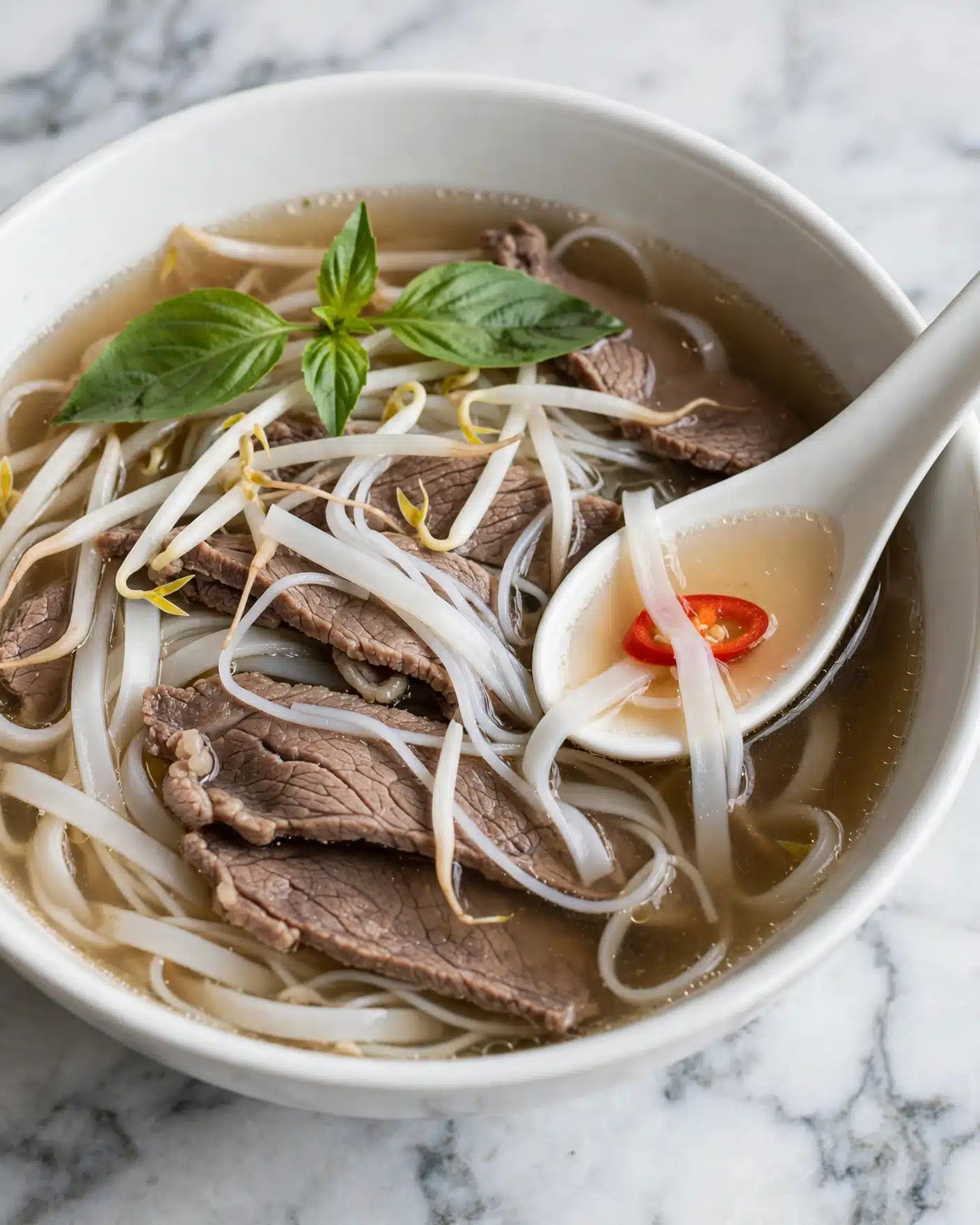
These ingredients might seem humble, but each plays an essential role in building the authentic flavor, texture, and aroma of this pho. Using quality beef bones and fresh spices ensures the broth’s depth, while fresh herbs and garnishes brighten and balance the final dish.
- 2 large onions, halved: Charred to add smoky depth and natural sweetness to the broth.
- 150g ginger, sliced: Adds spicy warmth and freshness, also charred for complexity.
- 10 star anise: Essential for that signature aromatic, licorice-like note in pho.
- 4 cinnamon quills: Provides a warm, sweet undertone to the broth’s spice bouquet.
- 4 cardamom pods: Adds subtle floral and citrus hints to balance the meaty broth.
- 3 cloves: Impart a slightly sweet, pungent aroma that’s key to Vietnamese spices.
- 1.5 tbsp coriander seeds: Toasted to release earthy, lemony flavors.
- 1.5kg beef brisket: Gives tender, flavorful meat to enjoy alongside the noodles.
- 1kg meaty beef bones: Build the hearty, rich base of the broth.
- 1kg marrow bones, cut: Adds gelatin and luxurious mouthfeel to the broth.
- 3.5 litres water: The medium that extracts all flavors slowly during simmering.
- 2 tbsp white sugar: Balances saltiness with subtle sweetness.
- 1 tbsp salt: Enhances the umami and overall taste.
- 40 ml fish sauce: Infuses the broth with savory depth and a hint of oceanic aroma.
- 50g dried rice sticks (or 120g fresh): The essential silky noodles to soak up the broth.
- 30g raw beef tenderloin, thinly sliced: Cooks gently in hot broth for tender, melt-in-your-mouth texture.
- 3-5 brisket slices: Adds extra cooked beef savoriness for layering textures.
- Beansprouts, handful: Adds crisp freshness and light crunch.
- Thai basil, 3-5 sprigs: Aromatic herb that lifts the pho with bright, peppery notes.
- Coriander/cilantro, 3-5 sprigs: Fresh herb that adds zing and herbaceous punch.
- Lime wedges: Cut and squeezed to add zesty brightness at the table.
- Finely sliced red chili: For heat and a pop of color in every bowl.
- Hoisin sauce and Sriracha: Optional condiments for layering sweetness and spice to taste.
Directions
Step 1: Heat a heavy-based skillet over high heat without oil until it starts to smoke. Place the halved onions and sliced ginger cut side down and char them until they develop a rich, blackened crust. Flip briefly, then remove and set aside. This charring adds a smoky aroma that’s critical in authentic pho broth.
Step 2: Toast the star anise, cinnamon quills, cardamom pods, cloves, and coriander seeds in a dry skillet over medium-high heat for about 3 minutes. The spices should become fragrant without burning, releasing their essential oils that create the broth’s signature scent.
Step 3: Rinse the beef bones and brisket under cold water to remove impurities. Place them in a large stockpot, cover with water, and bring to a boil. Let it boil for 5 minutes, then drain and rinse the bones and brisket again under running water. This step ensures the broth stays clear and pure in flavor.
Step 4: Clean the stockpot, then add 3.5 litres of fresh water. Bring to a boil and add the rinsed bones, brisket, charred onion and ginger, and toasted spices. Sprinkle in the sugar and salt. The water should just barely cover everything. Cover the pot with a lid and reduce the heat to simmer gently for 3 hours. Let that magic happen — your kitchen will start smelling incredible.
Step 5: After 3 hours, remove the brisket from the pot. It should be tender enough to fall apart. Let it cool, then refrigerate for later use in your pho bowls.
Step 6: Continue simmering the broth uncovered for another 40 minutes to concentrate the flavors.
Step 7: Strain the broth through a fine sieve into a clean pot, discarding the bones and spices. You should have about 2.5 litres of wonderfully aromatic broth. If you have more, simmer it a bit longer to reduce.
Step 8: Stir in the fish sauce and adjust salt and sugar to your taste. The broth should taste beefy, fragrant, savory, with a hint of sweetness and spice.
Step 9: Prepare the rice noodles according to package instructions just before serving so they remain tender but not mushy.
Step 10: To serve, place the cooked rice noodles in bowls. Top with slices of raw beef tenderloin and cooked brisket. Ladle around 400ml of piping hot broth over the meat; this will cook the raw beef to a perfect medium-rare.
Step 11: Serve immediately with bowls of garnishes on the side: fresh bean sprouts, Thai basil, coriander, lime wedges, sliced chili, hoisin sauce, and sriracha so everyone can customize their bowl.
Servings and Timing
This recipe makes about 6 servings, perfect for sharing with family or friends around the table. The prep time is around 20 minutes, but the real key is the cook time—expect a total of about 3 hours for the broth to develop its rich flavors. There’s a short resting time as the brisket cools before slicing, and an extra 40 minutes simmering if you reduce the broth uncovered. Total time is approximately 3 hours and 20 minutes. Just remember that most of the time is hands-off simmering, so you can relax, prep your garnishes, or plan your meal ahead while the broth works its magic.
How to Serve This Authentic Vietnamese Pho Recipe
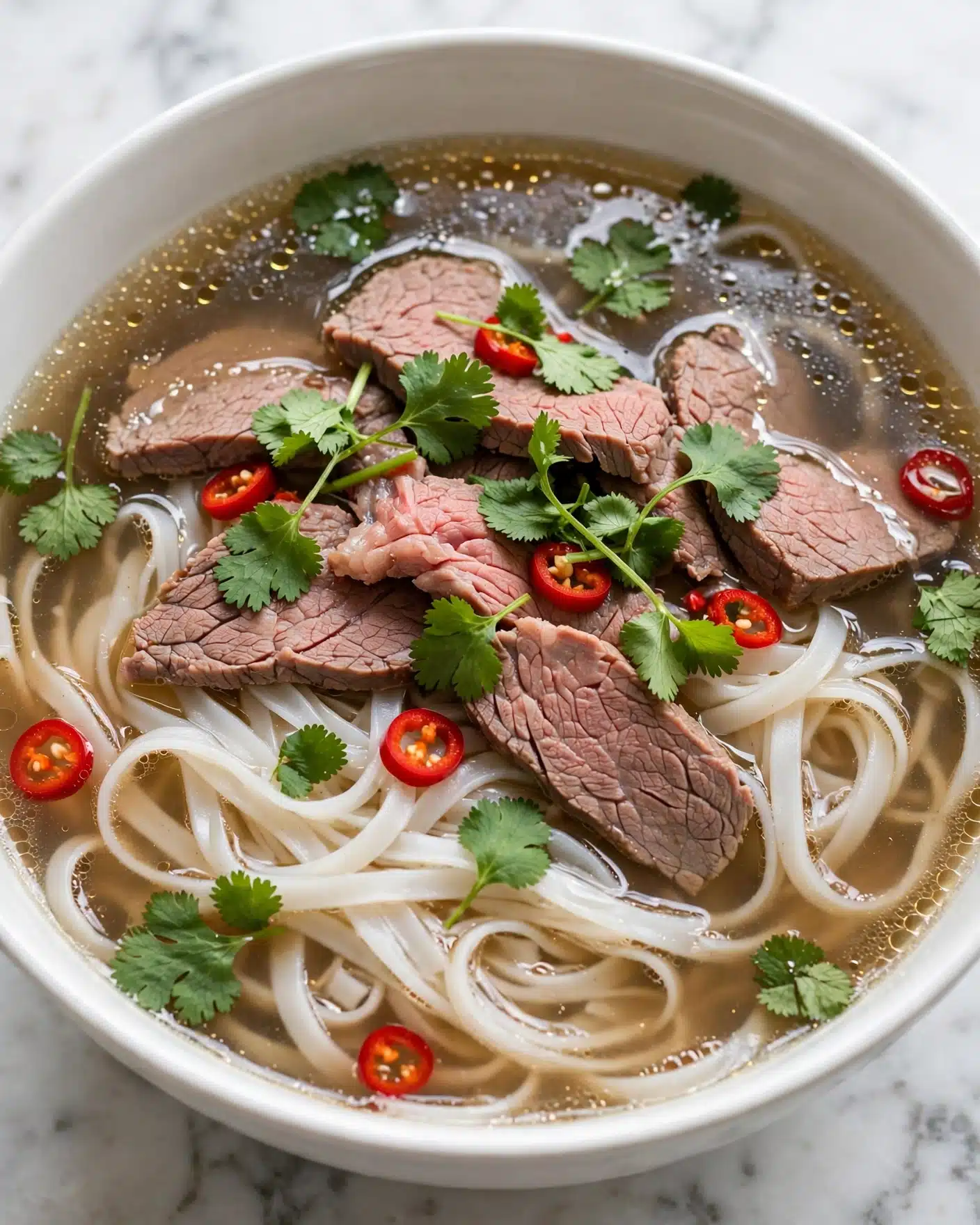
When I serve pho, I love creating an experience that heightens the enjoyment of every bite. Fresh herbs like Thai basil and coriander are a must-have—they bring brightness and freshness that balance the rich broth. I also make sure there are plenty of lime wedges for squeezing, bean sprouts for crunch, and fiery sliced red chilies for those who want some heat. Hoisin sauce and sriracha are great for adding sweetness or spice, and I encourage serving them on the side so everyone can season their bowls to personal taste.
I enjoy serving pho piping hot, straight from the stovetop. The moment the broth touches the raw beef slices, it gently cooks them to tender perfection, which is such a delightful interactive element of the meal. I usually portion about 400ml of broth per bowl with generous amounts of noodles and meat for a hearty, satisfying meal. Presentation-wise, I arrange the herbs and bean sprouts artfully around the bowl edges and top with bright slices of chili and lime wedges for pops of color. It’s both inviting and appetizing.
However you choose to enjoy it, pho is perfect for all kinds of occasions, from a cozy family dinner to a festive gathering where you want to impress guests with an authentic taste of Vietnam. I especially love making this recipe for leisurely weekend lunches or dinner parties where everyone can customize their bowl, making the meal both social and delicious. Pair with a light Vietnamese iced coffee or a crisp white wine for a complete, refreshing experience.
Variations
I’ve found you can easily adapt this Authentic Vietnamese Pho Recipe to suit different tastes and dietary needs without losing its soul. For example, if you want a gluten-free version, simply make sure your rice noodles don’t contain any wheat and avoid soy-based condiments unless they’re certified gluten-free. For a vegan twist, you can swap beef bones and brisket for a rich vegetable broth made from charred onions, ginger, mushrooms, and seaweed to build umami depth—though it won’t quite have the same meaty richness, it’s surprisingly tasty!
If you want to explore flavor variations, adding a splash of roasted bone marrow or simmering in some dried shiitake mushrooms can deepen the broth even more. Alternatively, substitute brisket with other cuts like oxtail or beef shank for different textures. Experimenting with herbs is fun too—some people love adding culantro or mint alongside basil and coriander for unique herbal aromas.
If time is tight, you could pressure cook the bones and brisket to speed up broth extraction, though that slightly changes the traditional slow-simmered character. Ultimately, I encourage you to make this recipe your own, adjusting to what you have available and your family’s preferences while keeping the core technique intact.
Storage and Reheating
Storing Leftovers
Leftover pho broth and ingredients store wonderfully and are best kept separately. I use airtight containers to preserve freshness — up to 3 days in the fridge. Keep the broth in one container, cooked meats in another, and noodles aside if possible, as they can get soggy. Fresh herbs and garnishes last about a day, so add them fresh when reheating or serving again.
Freezing
This pho broth freezes very well for up to 3 months. I let it cool completely before transferring it to freezer-safe containers or heavy-duty freezer bags, leaving headspace for expansion. When ready to enjoy, thaw overnight in the fridge to retain the best flavor. Avoid freezing cooked noodles or fresh herbs; add those fresh when reheating or serving to maintain their texture.
Reheating
To reheat pho broth, gently warm it on the stove over medium heat, avoiding a rolling boil to preserve delicate flavors. I recommend reheating the broth separately, then assembling your bowl with fresh noodles, raw beef slices, cooked brisket, and garnishes just before serving. Avoid reheating fully assembled bowls to keep noodle texture intact and retain the authentic experience of cooking the raw beef in hot broth.
FAQs
Can I make pho broth ahead of time?
Absolutely! In fact, the broth often tastes even better after a day or two as the flavors meld. You can make the broth a day or two ahead, strain it, refrigerate it, and reheat gently when ready to serve. Just add fresh noodles and herbs at serving time for the best experience.
What type of beef is best for pho?
For authentic flavor and texture, I recommend beef brisket for its tenderness and rich beefy taste. Using meaty bones and marrow bones ensures your broth has body and gelatin for that luscious mouthfeel. Thinly sliced raw tenderloin added at serving cooks quickly in hot broth for a perfect contrast.
How do I get a clear pho broth?
Clarity comes from thoroughly blanching and rinsing your bones and brisket before simmering the broth. Skimming impurities and cooking at a gentle simmer without boiling helps keep the broth clear. Straining carefully through a fine sieve removes remaining bits and spices.
Can I use fresh noodles instead of dried rice sticks?
Yes! Fresh rice noodles are wonderful if you can find them; they have a tender, silky texture. If using dried rice sticks, soak or cook them according to package instructions. Just prepare noodles right before serving to keep them from becoming mushy.
What toppings are essential for pho?
Essential toppings include fresh Thai basil, coriander, lime wedges, and bean sprouts—they brighten and balance the rich broth. Sliced red chili adds heat, while hoisin and sriracha sauces allow you to customize sweetness and spice. Pick your favorites to create a personalized bowl!
Conclusion
I genuinely hope this Authentic Vietnamese Pho Recipe inspires you to dive into the joy of making your own pho at home. There’s something incredibly satisfying about crafting that fragrant broth and gathering fresh herbs to create a bowl full of comfort, flavor, and tradition. Whether you’re cooking for yourself or a crowd, this recipe brings a special kind of warmth and delight that I love sharing with friends and family. Give it a try—I promise you’ll be hooked by your very first simmer.
PrintAuthentic Vietnamese Pho Recipe
Authentic Vietnamese Pho recipe featuring a rich, aromatic beef broth simmered with traditional spices, tender brisket, and thinly sliced beef tenderloin, served with rice noodles and fresh herbs for an iconic, flavorful Vietnamese soup experience.
- Prep Time: 20 minutes
- Cook Time: 3 hours
- Total Time: 3 hours 20 minutes
- Yield: 6 servings
- Category: Soup
- Method: Stovetop
- Cuisine: Vietnamese
Ingredients
Aromatics and Spices
- 2 large onions, halved
- 150g / 5oz ginger, sliced down the centre
- 10 star anise
- 4 cinnamon quills
- 4 cardamom pods
- 3 cloves (the spice cloves)
- 1.5 tbsp coriander seeds
Broth and Meat
- 1.5kg / 3lb beef brisket
- 1kg / 2lb meaty beef bones
- 1kg / 2lb marrow bones (leg, knuckle), cut to reveal marrow
- 3.5 litres / 3.75 quarts water (15 cups)
- 2 tbsp white sugar
- 1 tbsp salt
- 40 ml / 3 tbsp fish sauce
Noodles and Toppings
- 50g / 1.5 oz dried rice sticks (or 120g / 4oz fresh)
- 30g / 1 oz beef tenderloin, raw, very thinly sliced
- 3 – 5 brisket slices (used for broth)
- Beansprouts, handful
- Thai basil, 3 – 5 sprigs
- Coriander/cilantro, 3 – 5 sprigs (or more basil)
- Lime wedges
- Finely sliced red chilli
- Hoisin sauce
- Sriracha (for spiciness)
Instructions
- Prepare Aromatics: Heat a heavy-based skillet over high heat without oil until smoking hot. Place the onion and ginger in the pan cut side down, cook for a few minutes until charred, then turn. Remove and set aside.
- Toast Spices: In a dry skillet over medium-high heat, lightly toast the star anise, cinnamon quills, cardamom pods, cloves, and coriander seeds for about 3 minutes until fragrant.
- Remove Bone Impurities: Rinse the beef bones and brisket. Place them in a large stockpot and cover with water. Bring to a boil and cook for 5 minutes, then drain the water and rinse bones and brisket thoroughly under tap water to remove impurities.
- Make Broth: Wipe the pot clean, then add 3.5 litres (15 cups) of fresh water and bring to a boil. Add the cleaned bones, brisket, charred onion and ginger, toasted spices, sugar, and salt. Ensure water just barely covers all ingredients. Cover with lid and simmer gently for 3 hours.
- Cook Brisket and Reduce Broth: After 3 hours, remove the brisket which should be fall-apart tender. Cool and refrigerate for later use. Continue simmering the broth uncovered for an additional 40 minutes to concentrate flavors.
- Strain Broth: Strain the broth through a fine sieve into another pot, discarding bones, spices, and vegetables. The resulting broth should be about 2.5 litres (10 cups). If there is excess broth, reduce further by simmering.
- Season Broth: Add fish sauce and adjust salt and sugar to taste. The broth should be beefy, fragrant with spices, savory, and gently sweet.
- Prepare Noodles: Just before serving, prepare the rice noodles according to package instructions.
- Assemble Pho Bowls: Place noodles in serving bowls. Top with raw very thinly sliced beef tenderloin and slices of cooked brisket.
- Ladle Broth Over: Pour approximately 400 ml (14 oz) of hot broth over the noodles and meat. The heat of the broth will gently cook the raw beef to medium rare.
- Serve with Toppings: Serve the pho with fresh beansprouts, Thai basil, coriander/cilantro, lime wedges, finely sliced red chili, hoisin sauce, and sriracha on the side, allowing each diner to customize their bowl.
Notes
- Char the onions and ginger to add depth and sweetness to the broth.
- Toasting the spices enhances their aroma and flavor in the broth.
- Removing impurities from bones ensures a clear broth without cloudiness.
- Simmering the broth uncovered at the end reduces liquid and intensifies the flavor.
- Use very thin slices of raw beef tenderloin to quickly cook in the hot broth, preserving tenderness.
- Customize toppings to taste for authenticity and personal preference.


