I am absolutely in love with this Moussaka (Greek Eggplant Lasagna) Recipe because it masterfully combines layers of tender roasted eggplant, rich and savory meat sauce, and a creamy, dreamy béchamel topping. Every bite reminds me of why this Greek classic has stood the test of time as a comfort food favorite. The flavors meld together so beautifully that serving it always feels like sharing a treasured family secret that warms hearts and satisfies appetites alike.
Why You’ll Love This Moussaka (Greek Eggplant Lasagna) Recipe
What truly excites me about this recipe is the deep, complex flavor profile. The roasted eggplant adds a smoky sweetness, while the meat sauce, slowly simmered with garlic, onion, and fragrant spices like cinnamon and oregano, delivers richness with every mouthful. The silky béchamel, infused with a nutty touch of grated cheese and a hint of nutmeg, pulls everything together in a creamy finish that’s utterly irresistible. Honestly, it’s like the layers sing in perfect harmony.
Another reason I’m so passionate about this Moussaka (Greek Eggplant Lasagna) Recipe is how manageable it is in the kitchen. Though it feels like an elegant dish, it’s surprisingly straightforward — roasting the eggplant, simmering the meat sauce, and whisking together a simple béchamel come together with relative ease, even on a busy weeknight. I often recommend it for family dinners, special occasions, or even when you want to impress guests with something comforting but unique. Trust me, it stands out in both flavor and presentation.
Ingredients You’ll Need
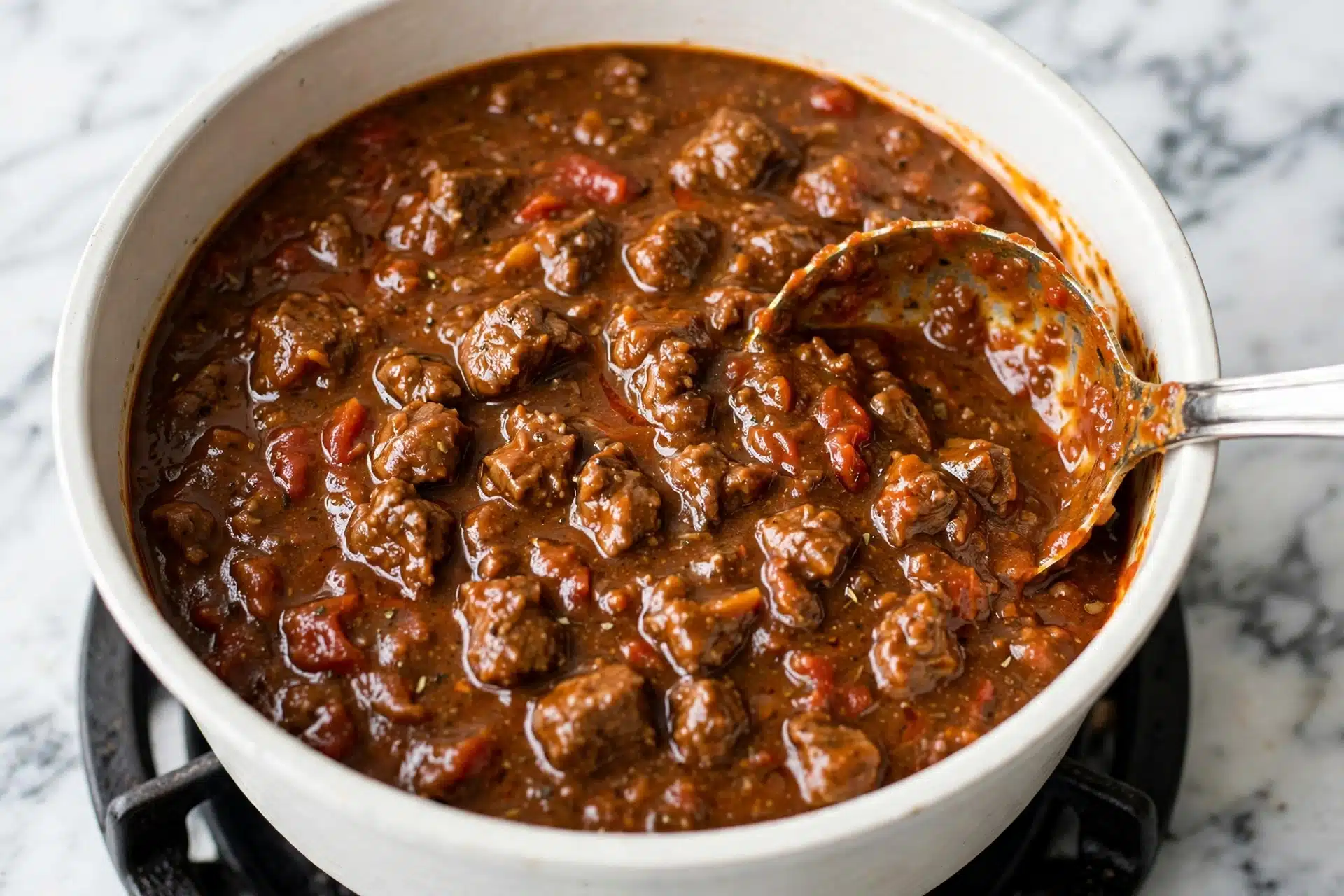
I love that this dish relies on simple, quality ingredients that each bring their own important texture, flavor, and color to the final result. From the tender eggplant slices to the savory meat sauce and luscious béchamel, every component is essential to achieving the true magic of this recipe.
- Eggplant (1 kg / 2 lb): Sliced about 0.75cm thick, these become the delicious layers that soak up all the flavors perfectly.
- Salt (1 tsp): Helps draw out moisture from the eggplant to keep it tender and less bitter.
- Olive oil (2-4 tbsp): Used for roasting and sautéing, lending a fruity richness that elevates the dish.
- Onion (1, diced): Adds sweetness and depth to the meat sauce base.
- Garlic cloves (3, minced): Provide that signature punch of aroma and flavor.
- Ground beef or lamb (700 g / 1.4 lb): The hearty protein element, rich and savory, forms the core of the sauce.
- Beef broth (½ cup + 1 cup): Deglazes the pan and enriches the sauce with meaty flavor.
- Crushed tomatoes (400 g / 14 oz): Bring acidity and body to the sauce.
- Tomato paste (3 tbsp): Intensifies the tomato flavor and adds a lovely thickness.
- Beef bouillon cube (1, crumbled): Boosts the savory profile without overpowering.
- Bay leaves (2): Infuse a subtle herbal note that I find essential in classic Greek dishes.
- Sugar (1.5 tsp): Balances the acidity of the tomatoes perfectly.
- Dried oregano (2 tsp): A quintessential Mediterranean herb for warmth and earthiness.
- Cinnamon (½ tsp): Adds an unexpected but delightful aromatic lift to the meat sauce.
- Salt (¾ tsp): Seasoning the sauce precisely brings all elements into harmony.
- Butter (60 g / 4 tbsp): For the béchamel, giving it richness and silkiness.
- Plain flour (5 tbsp): Creates the base roux for a smooth, thick sauce.
- Milk (2 ½ cups): Forms the creamy component of the béchamel.
- Vegetarian Parmesan-style cheese (½ cup, grated): Or Kefalotiri cheese, for that signature cheesy finish.
- Egg and egg yolk (1 each): Help set the béchamel beautifully during baking.
- Vegeta or vegetable/chicken stock powder (1 ¼ tsp): Adds depth to the béchamel layer.
- Pepper (¼ tsp): For light seasoning and spice.
- Panko breadcrumbs (⅓ cup): Sprinkled on top for a delightful golden crust.
Directions
Step 1: Start by salting the eggplant slices. Lay them out and sprinkle the salt evenly, then let them sit for about 20-30 minutes. This step draws out bitterness and moisture, so when you pat them dry with paper towels, they stay tender and develop better texture during roasting.
Step 2: Once dried, brush the eggplant slices lightly with olive oil on both sides. Place them on a baking tray and roast them in a preheated oven at 450°F (230°C) until they turn lightly browned and softened, about 15-20 minutes. Keep an eye on them so they don’t burn.
Step 3: While your eggplant roasts, heat 1 tablespoon olive oil in a large pan over medium heat. Add the diced onions and sauté until translucent, about 5 minutes. Then throw in the minced garlic and cook for another minute until fragrant.
Step 4: Add the ground beef or lamb to the pan, breaking it apart with a wooden spoon. Brown the meat until no pink remains, about 8-10 minutes. Then pour in ½ cup of beef broth to deglaze the pan, scraping up any browned bits stuck to the bottom.
Step 5: Stir in crushed tomatoes, tomato paste, the remaining 1 cup beef broth, crumbled bouillon cube, bay leaves, sugar, oregano, cinnamon, and salt. Let the sauce simmer gently for about 25 minutes until it thickens nicely. Remove the bay leaves before assembling the dish.
Step 6: For the béchamel sauce, melt butter in a saucepan over medium heat. Whisk in flour and cook for a minute or two, stirring constantly to form a roux. Gradually pour in milk while whisking continuously to avoid lumps. Keep stirring and cooking over medium heat until the sauce thickens and coats the back of a spoon, about 7-10 minutes.
Step 7: Remove the béchamel from heat and stir in grated cheese, freshly grated nutmeg if using, egg yolk, stock powder, and pepper. The egg yolk enriches the sauce and helps it set during baking.
Step 8: In a baking dish, start layering. Place a layer of roasted eggplant slices first, then spoon half of the meat sauce over. Spread a generous layer of béchamel on top. Repeat with a second eggplant layer and remaining meat sauce, finishing with a final layer of béchamel. Sprinkle panko breadcrumbs evenly over the top for crunch.
Step 9: Bake the assembled moussaka at 350°F (175°C) for about 30 minutes or until the top is golden and bubbling. Keep an eye after 25 minutes to prevent over-browning. Once baked, remove from oven and let rest for at least 15 minutes before slicing. This resting time helps the layers firm up nicely for perfect slices.
Servings and Timing
This Moussaka (Greek Eggplant Lasagna) Recipe yields about 6 generous servings, making it perfect for a family meal or small gathering. The total prep time is roughly 40 minutes, including salting the eggplant and preparing the sauce. Cooking time is about 30 minutes for baking, and I always factor in an additional 15 minutes for resting. So in total, expect around 1 hour and 25 minutes from start to finish, which feels just right for a homemade, satisfying dish like this.
How to Serve This Moussaka (Greek Eggplant Lasagna) Recipe
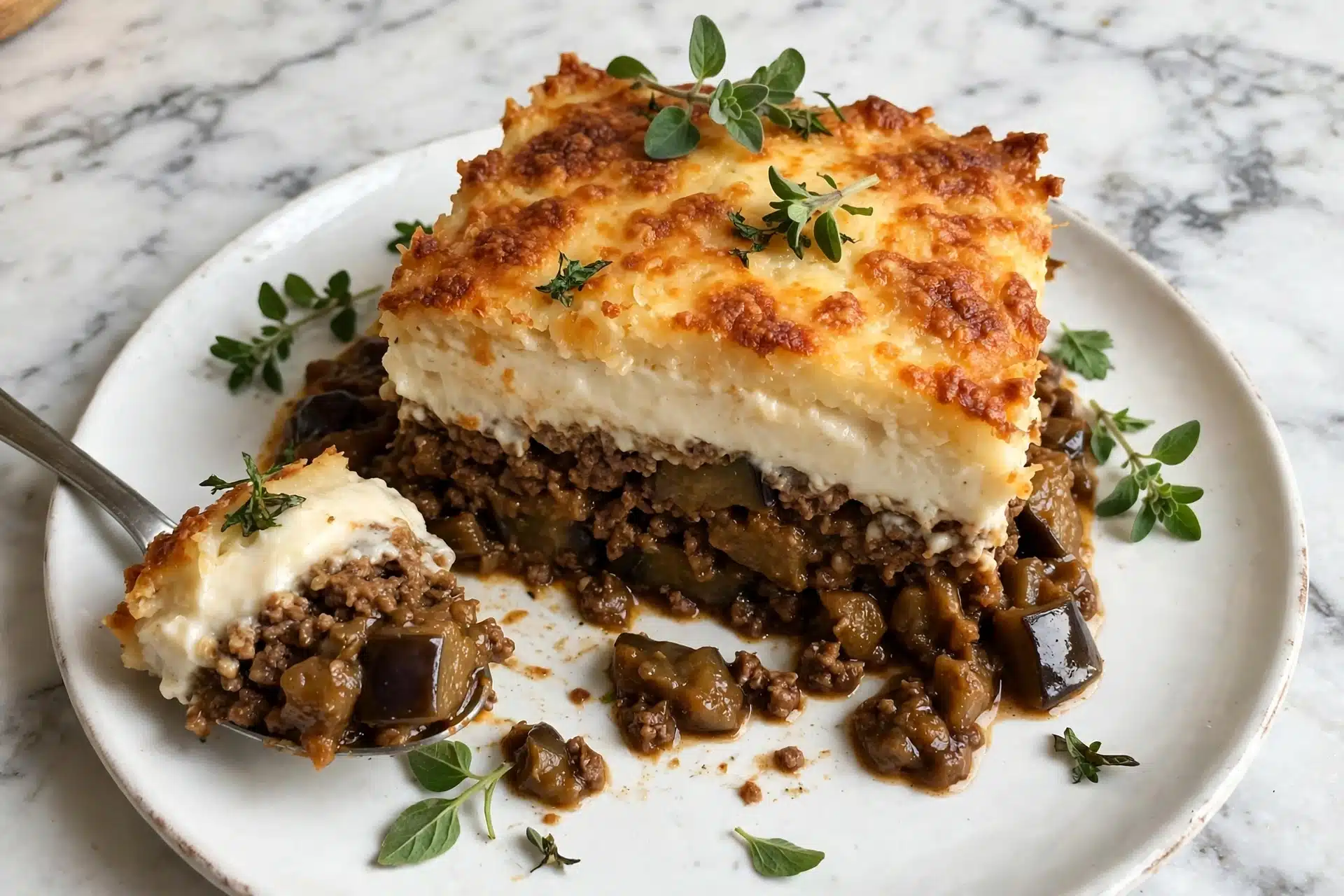
When it’s time to serve, I recommend plating this moussaka warm to let all those layers shine with their rich, velvety textures. A simple side salad with fresh greens, cucumber, and tomatoes dressed lightly in lemon and olive oil is a refreshing foil for the hearty casserole. Roasted or grilled vegetables also work beautifully if you want to keep things Mediterranean-themed.
For garnishing, sprinkle a bit of fresh chopped parsley or oregano over the top for a pop of color, and perhaps an extra grating of vegetarian Parmesan-style cheese. Presentation-wise, I like to cut the moussaka into neat squares or wedges, serving about one slice per person alongside a wedge of lemon or a small dollop of Greek yogurt for cooling contrast.
Beverage-wise, I am a big fan of pairing this Moussaka (Greek Eggplant Lasagna) Recipe with a medium-bodied red wine like a Merlot, Syrah, or a Greek Agiorgitiko. For non-alcoholic options, sparkling water with a twist of lemon or a cold iced tea complements the rich flavors nicely. This dish is wonderful for special family dinners, holiday feasts, or even weekend entertaining when you want to treat yourselves with soulful homemade comfort food.
Variations
Over time, I’ve experimented with several ingredient swaps in this Moussaka (Greek Eggplant Lasagna) Recipe to suit different dietary needs and flavor preferences. For example, swapping ground beef with ground lamb lends a gamier depth, while using all beef results in a milder flavor. I’ve also tried mixing finely chopped mushrooms with the meat for added texture and an earthy note.
If you’re after something gluten-free, simply swap the plain flour in the béchamel with a gluten-free flour blend, and ensure your breadcrumbs are gluten-free or omit them and top with crushed nuts. For a vegetarian or vegan version, I find replacing the meat layer with sautéed lentils or a mix of mushrooms and walnuts works wonderfully, and swapping dairy milk and cheese for plant-based alternatives makes it fully vegan while still creamy and delicious.
As for cooking methods, besides roasting the eggplant, I love lightly grilling the slices for that smoky char or even pan-frying them quickly before layering. Each method brings a slightly different texture and taste but keeps the essence of this favorite Greek eggplant lasagna intact.
Storage and Reheating
Storing Leftovers
I always recommend storing leftover moussaka in an airtight container to preserve freshness. It keeps beautifully in the fridge for up to 3-4 days. Make sure it’s fully cooled before covering and refrigerating. I find using a glass container helps maintain flavor and makes reheating easier without changing the texture.
Freezing
This Moussaka (Greek Eggplant Lasagna) Recipe freezes very well, which is great if you want to prepare ahead or save portions. For best results, allow the dish to cool completely, then portion it out or freeze the whole casserole in a freezer-safe container or wrap tightly with plastic wrap and foil. It can keep frozen for up to 3 months. When ready to eat, thaw overnight in the fridge before reheating.
Reheating
To reheat, I always prefer using an oven set to 350°F (175°C) to gently warm the moussaka through, which helps restore the creamy béchamel texture and crisp top. Heat for about 20-30 minutes or until hot in the center. Microwave reheating is possible for convenience, but it can make the béchamel separate or turn greasy, so I avoid it if possible. Adding a sprinkle of cheese and a few breadcrumbs before reheating can freshen up the crust nicely.
FAQs
Can I make this Moussaka (Greek Eggplant Lasagna) Recipe ahead of time?
Absolutely! In fact, I find the flavors deepen when made a day ahead. Prepare the layers as directed, cover tightly, and refrigerate overnight. When ready, just bake as usual, adding a bit of extra baking time if chilled.
What can I substitute for eggplant if I don’t like it?
If eggplant isn’t your favorite, zucchini or thinly sliced potatoes can work well as alternatives. Just roast or sauté them until tender before layering. Keep in mind the classic taste will shift a bit but the dish remains delicious.
Is it okay to use ground turkey or chicken instead of beef or lamb?
Yes, ground turkey or chicken will give a lighter version of the sauce. Since they are leaner, I recommend adding a bit of olive oil when cooking and adjusting seasoning to keep richness. The cinnamon and oregano still complement poultry well.
Can I make this dish gluten-free?
Definitely! Swap the plain flour in the béchamel for a gluten-free flour blend or cornstarch and use gluten-free breadcrumbs or omit them entirely. The rest of the ingredients are naturally gluten-free.
How do I know when the moussaka is fully cooked?
Look for a golden-brown top with bubbling béchamel around the edges. The internal temperature should be warm throughout. Letting it rest after baking helps the layers set, making slicing easier and ensuring it’s cooked perfectly.
Conclusion
Honestly, I can’t recommend this Moussaka (Greek Eggplant Lasagna) Recipe enough — it’s one of those dishes that feels like a warm hug on a plate. The combination of flavors and textures always impresses, whether you’re sharing it with loved ones or savoring a cozy meal solo. I hope you’ll give this recipe a try and make it a beloved staple in your kitchen, too!
PrintMoussaka (Greek Eggplant Lasagna) Recipe

A classic Greek dish, Moussaka is a layered casserole featuring tender roasted eggplant, a rich ground beef or lamb tomato sauce seasoned with aromatic spices, topped with a creamy béchamel sauce, and baked to golden perfection. This hearty and comforting eggplant lasagna combines Mediterranean flavors for a delicious main course.
- Prep Time: 40 minutes
- Cook Time: 30 minutes
- Total Time: 70 minutes
- Yield: 6 servings
- Category: Main Course
- Method: Baking
- Cuisine: Greek
Ingredients
Vegetables and Seasoning
- 1 kg / 2 lb eggplant (aubergines), sliced 0.75cm / 0.3″ thick
- 1 tsp salt (for eggplant)
- 1 onion, diced (brown, white, yellow)
- 3 garlic cloves, minced
- 2 tsp dried oregano
- 1/2 tsp cinnamon (or 1 stick, use whole)
- 2 bay leaves
- 1.5 tsp sugar
- 3/4 tsp salt (for meat sauce)
- 1 1/4 tsp Vegeta, vegetable or chicken stock powder (or salt)
- 1/4 tsp pepper
- 1/4 tsp nutmeg, freshly grated (optional)
Meat Sauce
- 1.4 lb / 700 g ground beef or lamb (mince)
- 1/2 cup additional beef broth, for deglazing
- 14 oz / 400 g crushed tomatoes
- 3 tbsp tomato paste
- 1 cup beef broth or stock
- 1 beef bouillon cube, crumbled (or 1 tsp powder)
Béchamel Sauce
- 4 tbsp (60 g) butter
- 5 tbsp plain flour
- 2 1/2 cups milk (any fat %)
- 1/2 cup vegetarian Parmesan-style cheese, grated (or Kefalotiri Cheese)
- 1 egg yolk
Topping and Finishing
- 1 egg
- 2–3 tbsp olive oil (for roasting eggplant)
- 1 tbsp olive oil (for meat sauce cooking)
- 1/3 cup panko breadcrumbs
Instructions
- Prepare Eggplant: Salt the eggplant slices and let them stand for about 20-30 minutes to draw out moisture. Pat the slices dry with paper towels. Brush or drizzle 2-3 tablespoons of olive oil over the slices. Arrange them on a baking sheet and roast in a preheated oven at 450°F (230°C) until they are lightly browned and tender, approximately 15-20 minutes. Set aside.
- Cook Meat Sauce: In a large pan, heat 1 tablespoon olive oil over medium heat. Add diced onion and minced garlic and sauté until translucent and fragrant. Add ground beef or lamb and brown thoroughly. Deglaze the pan with 1/2 cup beef broth, scraping up any browned bits. Stir in crushed tomatoes, tomato paste, 1 cup beef broth, crumbled beef bouillon cube, bay leaves, oregano, cinnamon, sugar, salt, and pepper. Reduce heat to low and simmer the sauce uncovered for about 20-25 minutes until thickened. Remove bay leaves before layering.
- Make Béchamel Sauce: In a separate saucepan, melt 4 tablespoons butter over medium heat. Whisk in 5 tablespoons flour and cook for 1-2 minutes to form a roux without browning. Gradually whisk in 2 1/2 cups milk, continuing to stir until the sauce thickens and is smooth. Remove from heat and immediately whisk in grated vegetarian Parmesan-style cheese (or Kefalotiri), freshly grated nutmeg if using, and the egg yolk to enrich the sauce. Stir well to combine.
- Assemble Moussaka: Preheat the oven to 350°F (175°C). In a deep baking dish, layer half of the roasted eggplant slices evenly on the bottom. Spread half of the meat sauce over the eggplant. Add another layer of the remaining eggplant slices, then cover evenly with the rest of the meat sauce. Pour the béchamel sauce over the top layer, spreading it smoothly. Sprinkle 1/3 cup panko breadcrumbs evenly on top, and optionally whisk the whole egg and brush it over the béchamel to give a golden finish.
- Bake: Place the assembled moussaka in the preheated oven and bake for approximately 30 minutes or until the top is golden brown and bubbling. Check for doneness starting at 25 minutes to avoid overcooking.
- Rest and Serve: Remove the moussaka from the oven and let it rest for 15-20 minutes. This resting time helps the dish set for cleaner slicing and enhances the flavors. Serve warm as a hearty main course.
Notes
- Check for doneness at the early end of the baking window to prevent burning the béchamel topping.
- Salting eggplants helps reduce bitterness and moisture for better texture when roasted.
- Use ground lamb for a more traditional Greek flavor, or beef for a milder taste.
- Allowing the moussaka to rest before slicing is important for clean portions and improved taste.