
I absolutely love sharing this Classic Stuffing Recipe with friends and family because it strikes such a comforting balance of textures and flavors that feels like a warm hug on a plate. For me, nothing beats the way the toasted crusty bread soaks up the fragrant herb-infused broth while the tender leeks and onions add subtle sweetness and depth. This recipe is my go-to whenever I want to bring a little extra magic to a holiday table or cozy weekend meal.
Why You’ll Love This Classic Stuffing Recipe
I think what makes this Classic Stuffing Recipe truly stand out is how effortlessly it combines rustic and refined elements. The crunchy, toasted bread pieces contrast beautifully with the moist, savory herb mixture that coats each bite. When I’m eating it, I get bold notes from fresh sage, rosemary, and thyme plus a mellow richness from the butter and broth. It tastes like tradition but also feels fresh and vibrant.
Another reason I adore this recipe is how straightforward it is to prepare. I love that the ingredients are simple and easy to find, yet the end result tastes like something that took hours in the kitchen. Perfect occasions to serve this stuffing include family dinners, Thanksgiving feasts, or even midweek on a chilly evening when you want something soulful but not complicated. It’s the kind of recipe I’m always excited to make because it impresses without stress.
Ingredients You’ll Need
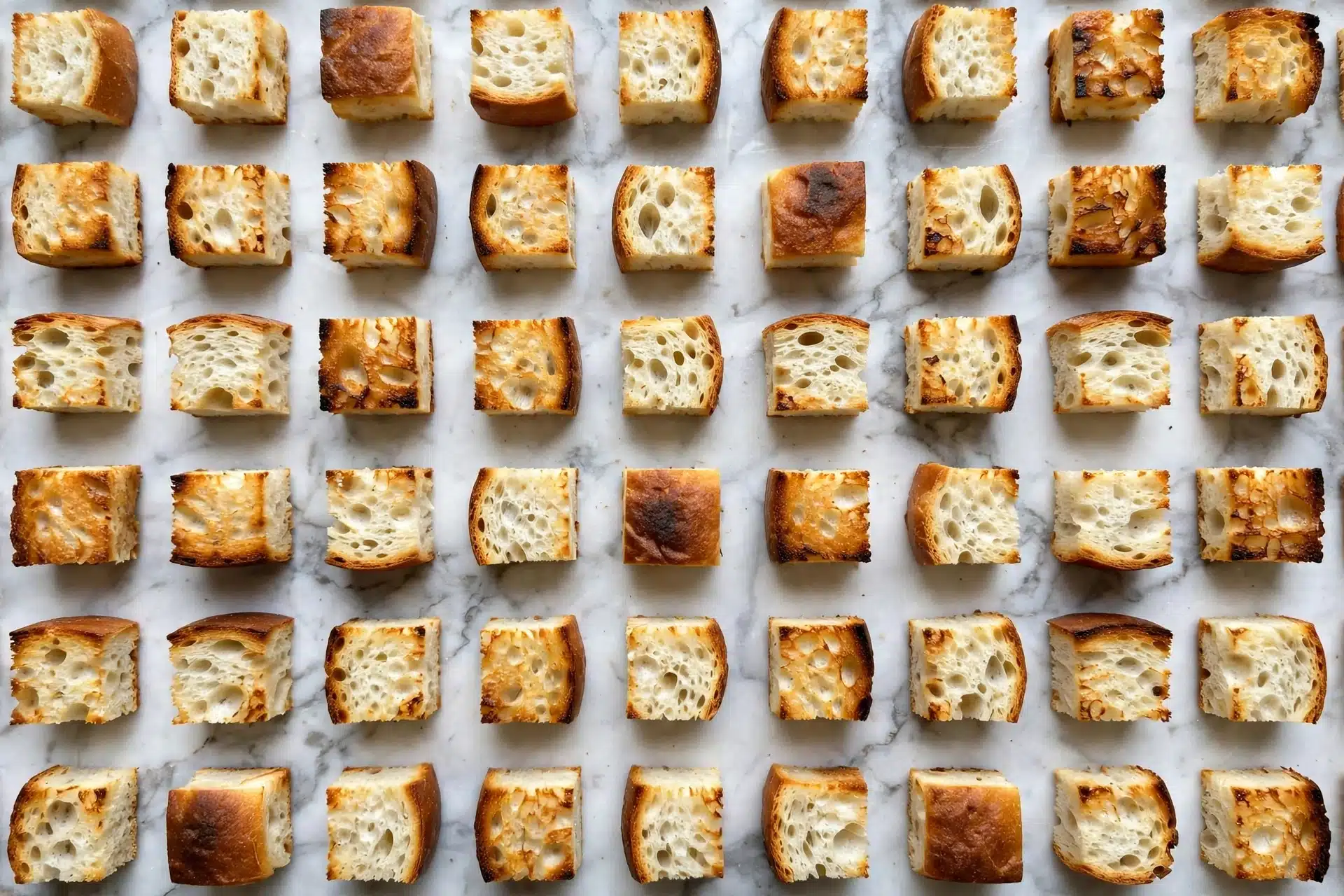
The beauty of this recipe lies in its simple, high-quality ingredients, each bringing something essential to the dish’s flavor, texture, and color. Using crusty country bread helps create a perfect base that toasts beautifully, while the fresh herbs infuse the stuffing with aromatic depth.
- 2 lb crusty country bread or sourdough: Toasted to add crunch and absorb the flavorful broth perfectly.
- 6 tbsp unsalted butter: Adds richness and helps soften the vegetables and toast the bread.
- 1 large yellow onion, chopped: Gives a sweet and savory foundation for the stuffing.
- 2 medium leeks, white and light green parts sliced: Brings delicate onion-like sweetness and a nice texture.
- 4 garlic cloves, finely chopped: Provides a subtle punch of flavor without overpowering.
- 2 large eggs: Acts as a binder to hold the stuffing together as it bakes.
- 2½ cups low-sodium vegetable broth: Moistens everything while adding savory depth.
- 1½ cups whole milk: Adds creaminess and tenderness to the mixture.
- 2 tbsp chopped fresh sage, rosemary, and thyme combined: Infuses the stuffing with classic herbaceous notes.
- Kosher salt and black pepper, to taste: Essential for seasoning and balancing flavors.
Directions
Step 1: Preheat your oven to 350°F (175°C). Spread the bread pieces evenly on two baking sheets and toast them for 15 to 20 minutes. Remember to toss the bread halfway through to make sure every piece gets beautifully golden and crisp. Then raise the oven temperature to 375°F (190°C) and butter a 9 × 13-inch baking dish to prepare for baking your stuffing.
Step 2: In a large skillet, melt 4 tablespoons of butter over medium heat. Add the chopped onion and sliced leeks, cooking them gently until they soften and become fragrant — it usually takes about 7 to 10 minutes. Stir in the finely chopped garlic and sauté for another minute until aromatic. Don’t forget to season with salt and pepper, which really wakes up those flavors.
Step 3: In a large mixing bowl, whisk together the eggs, vegetable broth, whole milk, and the vibrant mix of fresh sage, rosemary, and thyme. Once combined, pour this mixture over the toasted bread and cooked vegetables. Toss everything gently but thoroughly so each piece of bread is lovingly coated.
Step 4: Transfer the stuffing mixture to your buttered baking dish, spreading it evenly. Dot the top with the remaining 2 tablespoons of butter, which helps create a golden, crispy crust as it bakes.
Step 5: Cover the dish tightly with foil to keep the moisture in, then bake for 20 minutes. After this initial bake, remove the foil and continue baking for another 25 to 30 minutes, until the top is beautifully crisp and the center reaches 165°F (74°C). This ensures your stuffing is perfectly cooked and safe to serve.
Servings and Timing
This Classic Stuffing Recipe yields about 12 generous side servings, perfect for a family gathering or dinner party. The prep time is around 25 minutes, including chopping and toasting bread. Baking takes roughly 55 to 60 minutes total, with a 20-minute covered bake followed by 25-30 minutes uncovered. Altogether, you’re looking at about an hour and a half from start to finish, including cooling time to allow the stuffing to set slightly before serving.
How to Serve This Classic Stuffing Recipe
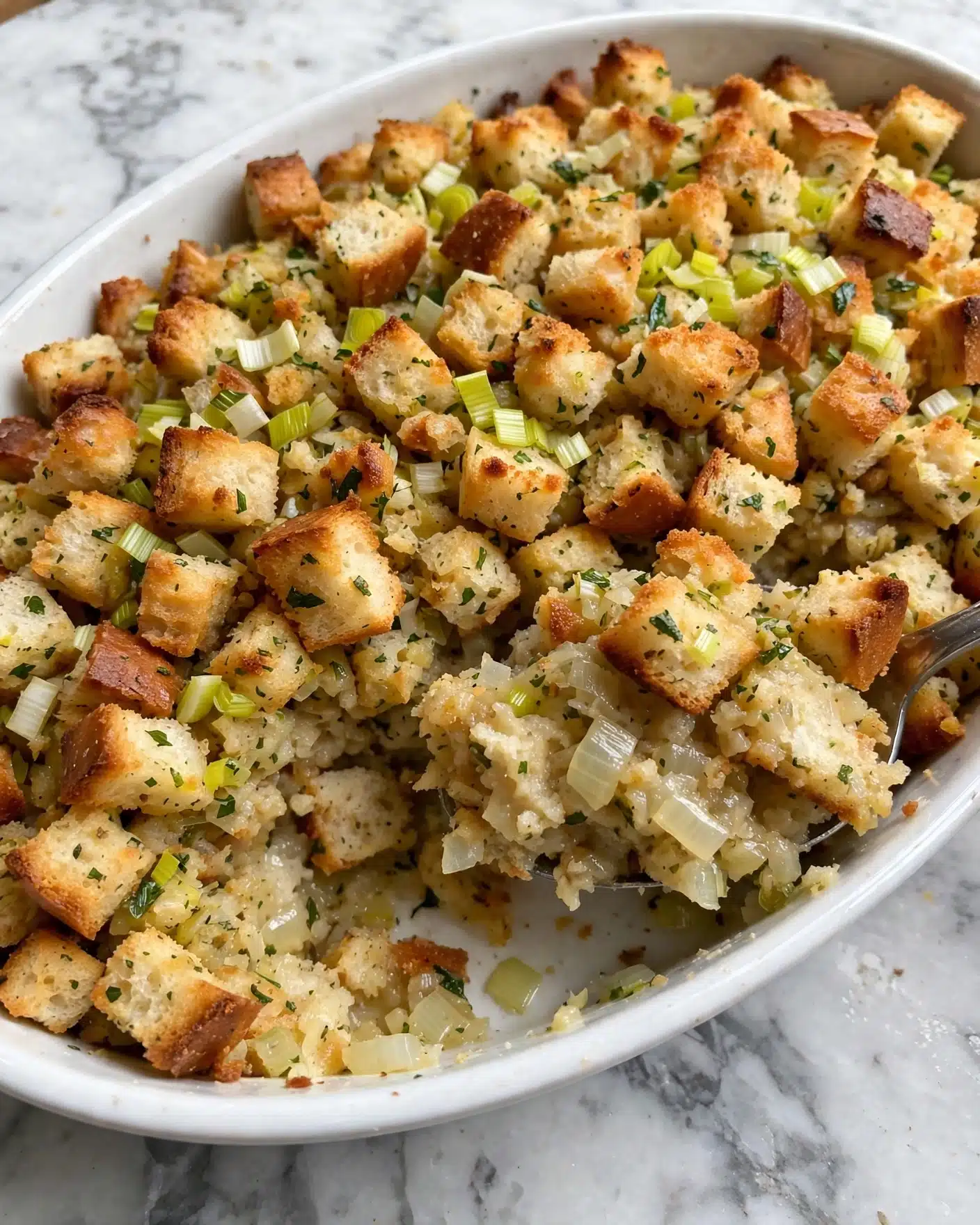
I love serving this stuffing hot or warm because it really allows the flavors and textures to shine. It pairs beautifully with roasted turkey or chicken, but it also holds its own alongside simpler mains like baked salmon or hearty vegetarian dishes. For a festive touch, I often garnish it with a sprinkle of fresh herbs or even some toasted nuts to add an extra crunch and color contrast.
For presentation, I like to bake the stuffing in a nice ceramic or glass dish that I can take straight from oven to table — it adds a cozy, inviting element to the meal. Portion sizes around a generous half-cup per person work well as a side, but you can easily scale that depending on your crowd. To complement the herbal, buttery flavors, I often serve this stuffing alongside roasted root vegetables, cranberry sauce, or sautéed greens.
When it comes to drink pairings, I’m a fan of a medium-bodied white wine like Chardonnay or a subtle Pinot Noir, which balances the herbaceous and buttery notes perfectly. For non-alcoholic options, sparkling apple cider or a simple herb-infused iced tea works wonders. This stuffing is truly versatile and shines at holidays, family dinners, potlucks, or any time you want to elevate comfort food.
Variations
One of the fun parts about this Classic Stuffing Recipe is how easy it is to make variations based on what you have on hand or dietary preferences. For instance, if you prefer gluten-free, I’ve used gluten-free bread with great success — just toast it a little longer to get that perfect crunch. For vegans, replacing the butter with olive oil and using a plant-based milk and broth turns this into a deliciously dairy-free version.
If you want to experiment with flavors, try adding toasted nuts like pecans or walnuts for extra texture or toss in dried cranberries or chopped apples to introduce a bit of sweetness. Switching up the herb mix by adding chopped parsley or marjoram can also bring a fresh twist without losing that classic feel. Cooking methods can vary too — I sometimes cook the stuffing in individual ramekins for elegant single servings or even stuff it inside a whole roasted chicken for extra flavor infusion.
Storage and Reheating
Storing Leftovers
If you have leftovers (and I hope you do), I like to transfer them into an airtight container once the stuffing has cooled to room temperature. Stored properly in the refrigerator, the stuffing will keep well for about 3 to 4 days. Using glass containers with tight-fitting lids works best to preserve freshness and prevent odors from spreading.
Freezing
You can absolutely freeze this stuffing if you want to prepare it ahead of time or save extra portions. I recommend freezing it in a freezer-safe container or heavy-duty zip-top bag, pressing out as much air as possible. It freezes well for up to 2 months. When you’re ready to enjoy it again, thaw it in the refrigerator overnight before reheating to maintain the best texture.
Reheating
To bring leftover stuffing back to life, I prefer reheating it in the oven rather than the microwave. Spread it in a baking dish, cover with foil to keep moisture in, and bake at 350°F (175°C) for about 20 minutes until heated through. If you want to re-crisp the top, remove the foil during the last 5 minutes. Avoid reheating at too high a temperature or for too long, as this can dry it out.
FAQs
Can I make this Classic Stuffing Recipe ahead of time?
Absolutely! You can prepare the stuffing mixture up to a day in advance. Just assemble everything, cover tightly, and refrigerate. When you’re ready to bake, add the finishing touches like the butter dots and bake as directed. This saves you time and lets the flavors meld beautifully.
What kind of bread works best for this stuffing?
I prefer using crusty country bread or sourdough because the hearty texture holds up well when toasted and absorbing the liquids. Avoid super soft or pre-sliced sandwich bread as it can become mushy. Stale bread is ideal because it soaks up more flavors without falling apart.
Can I add meat or sausage to the stuffing?
Definitely! If you want to make it more filling, cooked sausage, bacon, or even diced cooked chicken can be stirred in with the vegetables before mixing with the bread. Just drain any excess fat before adding so your stuffing doesn’t get greasy.
How do I make this stuffing gluten-free?
Simply swap the bread for a good-quality gluten-free loaf and toast it carefully. Most other ingredients are naturally gluten-free, but always check labels, especially on broth. This way, you still get that classic stuffing flavor and texture.
Is it okay to make this stuffing without eggs?
Yes, you can substitute the eggs with a flax egg or another favorite egg replacer if you have allergies or dietary restrictions. The eggs mainly help bind the stuffing, so the texture will still be great as long as you mix everything well.
Conclusion
I hope you feel inspired to try this Classic Stuffing Recipe soon because it’s truly a timeless dish that brings people together with every bite. It’s comforting, easy to make, and endlessly adaptable, making it one of my absolute favorites to share. Once you make it, I’m sure it’ll become a cherished part of your meals too!
PrintClassic Stuffing Recipe

This classic stuffing recipe features crusty country bread toasted to perfection and combined with sautéed onions, leeks, garlic, fresh herbs, and a rich custard of eggs, broth, and milk. Baked to a golden crispy top with a moist center, it’s a traditional American side dish perfect for holiday meals or family dinners.
- Prep Time: 25 minutes
- Cook Time: 1 hour 5-10 minutes
- Total Time: 1 hour 30-35 minutes
- Yield: About 12 side servings
- Category: Side Dish
- Method: Baking
- Cuisine: American
- Diet: Vegetarian
Ingredients
Bread
- 2 lb crusty country bread or sourdough, cut into 1½-inch pieces
Vegetables and Herbs
- 1 large yellow onion, chopped
- 2 medium leeks, white and light green parts rinsed and thinly sliced
- 4 garlic cloves, finely chopped
- 2 tbsp chopped fresh sage, rosemary, and thyme, combined
Liquids and Eggs
- 2 large eggs
- 2½ cups low-sodium vegetable broth
- 1½ cups whole milk
Fats and Seasoning
- 6 tbsp unsalted butter, plus more for buttering the baking dish
- Kosher salt and black pepper, to taste
Instructions
- Toast the bread: Preheat the oven to 350°F (175°C). Spread the bread pieces evenly over two baking sheets and toast in the oven for 15–20 minutes, tossing halfway through to ensure even browning. This helps the bread absorb the egg mixture later without becoming soggy.
- Prepare the baking dish: Increase the oven temperature to 375°F (190°C). Butter a 9 × 13-inch baking dish thoroughly to prevent sticking and add flavor.
- Sauté the vegetables: In a large skillet, melt 4 tablespoons of the butter over medium heat. Add the chopped onion and sliced leeks, cooking until they are soft and translucent. Stir in the garlic and cook for an additional minute. Season the mixture with kosher salt and black pepper to taste.
- Mix the custard: In a large bowl, whisk together the eggs, low-sodium vegetable broth, whole milk, and the combined chopped fresh sage, rosemary, and thyme to form the egg custard base.
- Combine and assemble: Toss the toasted bread cubes with the sautéed vegetables, then pour the egg mixture over the bread and vegetables. Stir gently to combine everything evenly. Transfer this mixture to the prepared baking dish and dot the top with the remaining 2 tablespoons of butter.
- Bake the stuffing: Cover the baking dish with foil and bake for 20 minutes. Then remove the foil and bake uncovered for an additional 25–30 minutes, or until the top is crisp and golden and the center reaches an internal temperature of 165°F (74°C), ensuring it’s cooked through.
Notes
- Allow the toasted bread to cool slightly before combining with the egg mixture to prevent the eggs from cooking prematurely.
- Using low-sodium vegetable broth helps control the saltiness of the stuffing, adjust seasoning after baking if needed.
- This stuffing can be made a day ahead; assemble it and refrigerate covered, then bake as directed.
- For a non-vegetarian variation, substitute vegetable broth with chicken broth.